

Predictive Bioreactor Characterization for Reliable Scale-Up
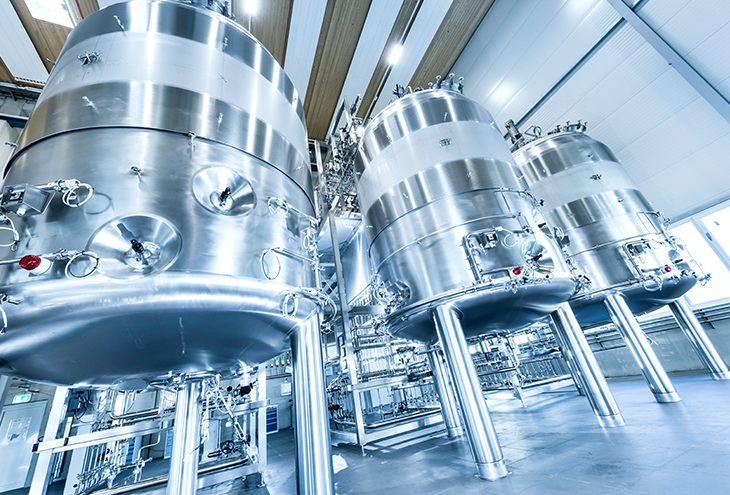
Why Bioreactor Characterization Matters
Successful biopharmaceutical manufacturing depends on transferring processes from laboratory and pilot-scale systems to production-scale bioreactors while maintaining consistent cultivation conditions.
Even small changes in the cellular environment can influence growth, metabolism, product quality, and yield. A process-based characterization approach helps engineers develop robust scale-up strategies while supporting process validation and regulatory compliance.
Moving Beyond Traditional Scale-Up Methods
Traditional bioreactor scale-up often relies on geometric similarity and maintaining parameters such as volumetric power input and volumetric gassing rate (vvm).
While useful, these methods do not fully capture the complex changes that occur as vessel size increases. Gas residence time, bubble behavior, oxygen transfer efficiency, and mixing dynamics can vary significantly between laboratory and production scales.
Studies conducted by ZETA have shown that relying solely on parameters such as vvm can result in substantial differences in oxygen transfer performance. Effective scale-up requires a broader understanding of both the biological process and the supporting engineering systems.
The Performance Parameters That Matter
Predictive characterization focuses on the parameters that directly affect process performance and cell cultivation conditions.
Oxygen Transfer Rate (kLa)
Oxygen transfer is critical in aerobic bioprocessing. Characterizing kLa helps engineers design gassing and agitation systems that support cell growth across scales.
Mixing Time
Efficient mixing promotes uniform nutrient distribution, stable pH, consistent temperature, and rapid process control.
Heat Transfer Rate
Biological processes generate heat that must be removed to maintain optimal operating conditions. Heat transfer characterization helps validate cooling performance and temperature control.
Power Input
Power input affects mixing, gas dispersion, and shear forces. Understanding its impact helps optimize agitation while protecting sensitive cell cultures.
Together, these parameters provide a reliable foundation for scale-up decisions.
Low-Shear Agitation for Mammalian Cell Culture
Agitator design must balance process performance with cell protection. Mammalian cell cultures require effective mixing, oxygen transfer, and heat transfer while minimizing shear stress.
To address this challenge, ZETA combined computational fluid dynamics (CFD), experimental testing, and bioreactor characterization to develop a hydrofoil agitator optimized for large-scale mammalian cell culture.
The hydrofoil design demonstrated:
- Consistent mixing performance across scales
- Improved oxygen transfer characteristics
- Reduced shear stress compared to conventional designs
- Reliable scalability from pilot to production volumes
The configuration has been successfully implemented in large-scale biopharmaceutical facilities and validated through Factory Acceptance Testing (FAT).
From Simulation to Verification
Successful scale-up requires more than theoretical modeling. Predictive results must be verified through testing and characterization.
ZETA combines process engineering, CFD analysis, and performance testing to validate critical operating parameters before production. Key performance indicators are measured during Factory Acceptance Testing (FAT) and Site Acceptance Testing (SAT) to confirm design objectives.
This data-driven approach helps manufacturers:
- Reduce scale-up risk
- Improve process consistency
- Support regulatory compliance
- Optimize product quality and yield
- Increase confidence before commercial operation
By linking process understanding with measurable performance data, predictive bioreactor characterization supports reliable biopharmaceutical manufacturing.


Technical Resources
Predictive Bioreactor Characterization for Reliable Scale-Up


Addressing the Gassing Rate in Bioreactor Upscaling
Low-Shear Agitator Design for Mammalian Cell Culture