From to ZETA
A B C D E F G H I J K L M N O P Q R S T U V W X Y Z

Microbial Fermentation Systems

Engineering scalable systems for microbial production.
Integrated upstream and downstream technologies enabling reliable, high-performance processes.
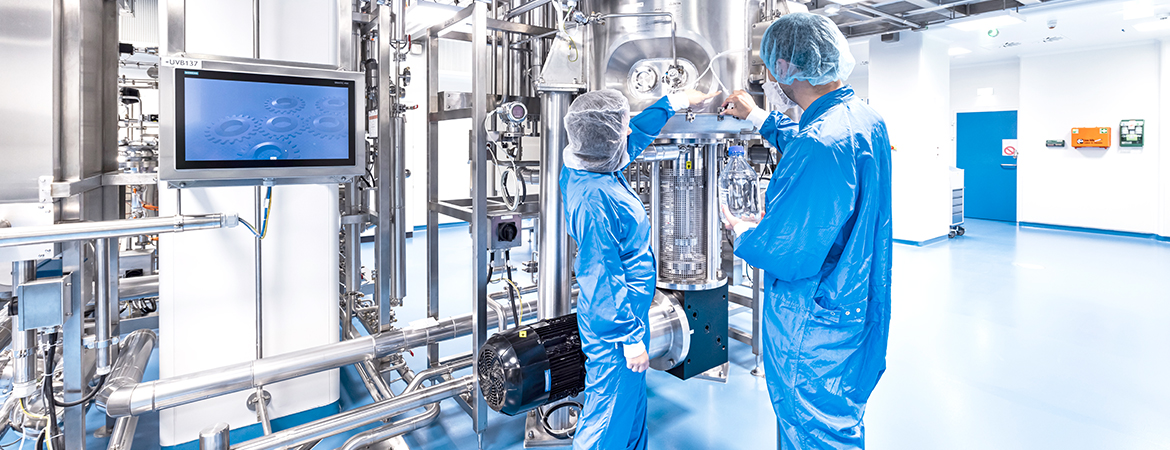
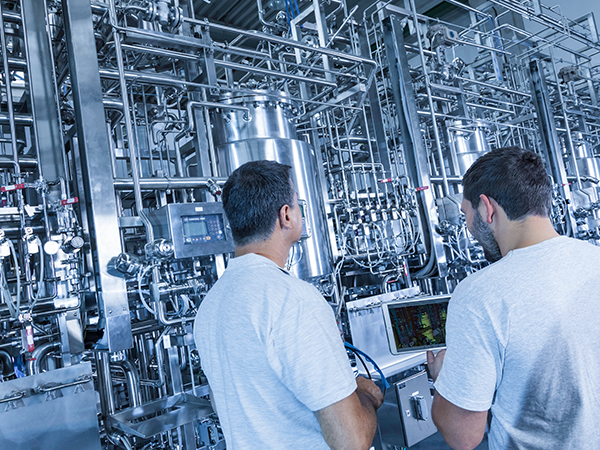
Two people with cleanroom clothing in front of production skid in cleanroom, handling small tubes on a vessel
Back view of two people in front of large stainless steel skid, including vessels, pipes, devices

Microbial expression systems in biopharma. Enabling scalable recombinant protein production.

Microbial fermentation platforms are widely used to produce recombinant proteins for therapeutic, industrial, and research applications. Bacterial systems such as E. coli and yeast expression platforms provide efficient protein expression and rapid growth, making them valuable tools for large-scale manufacturing.

Producing recombinant proteins through fermentation requires precise control over microbial growth conditions, nutrient supply, and oxygen transfer. ZETA supports these processes with engineered fermentation systems that maintain stable operating conditions while enabling scalable and efficient production.

Recombinant proteins via fermentation.

Microbial fermentation is widely used to manufacture recombinant proteins used across pharmaceutical, biotechnology, and industrial applications. Examples include:

An icon showing cell cultures in dark and light blue

Therapeutic proteins

Hormones, cytokines, and other biologics used to treat metabolic disorders and immune-related diseases.
An icon showing cell cultures in dark and light blue

Enzymes and industrial proteins

Biocatalysts used in biotechnology, food processing, and industrial manufacturing.
An icon showing cell cultures in dark and light blue

Protein-based vaccines

Recombinant antigens used in modern vaccine platforms.
An icon showing cell cultures in dark and light blue

Research and diagnostic proteins

Recombinant proteins used in laboratory research and diagnostic assays. Reliable fermentation platforms enable manufacturers to produce these proteins efficiently while maintaining strict quality and regulatory standards.

Challenges in microbial fermentation. Maintaining productivity and consistency in large-scale fermentation.

Fermentation process control

Maintaining stable pH, temperature, and oxygen transfer rates is critical to sustaining microbial growth and protein expression.

Downstream purification

Efficient purification strategies are required to isolate the target protein from host cell proteins and fermentation by-products.

Regulatory compliance

Fermentation processes must meet strict GMP standards for traceability, validation, and product quality.

Scalable production platforms

Processes must transfer reliably from laboratory fermentation systems to pilot and industrial-scale bioreactors.

Yield optimization

Optimized fermentation conditions maximize protein expression while minimizing impurities and by-product formation.

Typical microbial fermentation workflow.

Fermentation-based protein production follows a series of upstream and downstream steps designed to maximize productivity while maintaining strict quality standards.

Typical stages include:

Seed culture preparation

#1
Microbial cultures are expanded through seed train stages to prepare inoculum for production fermenters.

Production fermentation

#2
Microorganisms grow within controlled fermentation bioreactors where protein expression occurs.

Cell harvest and disruption

#3
Cells are separated and disrupted when necessary to release intracellular proteins.

Clarification and purification

#4
Filtration and chromatography systems isolate the target protein from fermentation broth.

Formulation and storage

#5
Purified proteins are stabilized and prepared for further drug product manufacturing.

Integrated Solutions for Scalable Fermentation

Fermentation bioreactors regulate key parameters such as agitation, oxygen transfer, temperature, and nutrient supply, enabling stable, high-density microbial cultures.

ZETA supports fermentation operations with engineered bioreactor systems and integrated automation solutions that ensure consistent performance at industrial scale. Typical fermentation platforms include:

  • Bacterial bioreactors for efficient protein production with hosts like E. coli
  • Yeast fermentation systems for proteins requiring post translational modifications
  • High cell density reactors designed to maximize productivity and yield

Reliable Fermentation Performance Depends on Integrated Process Control

ZETA supports microbial fermentation with engineered upstream and downstream systems designed for scalable recombinant protein manufacturing.

Proven Experience in Fermentation Manufacturing

Please complete the form to receive the requested content.


The form cannot be displayed due to your browser settings. Please contact us directly via marketing-us@zeta.com or adjust your browser’s tracking settings.

    By submitting, I agree to the Privacy Policy.

    download file

    We use your data exclusively in accordance with our Privacy Policy.

    Show content